What to Expect During a Norweco Singulair Green Inspection in Wantage NJ

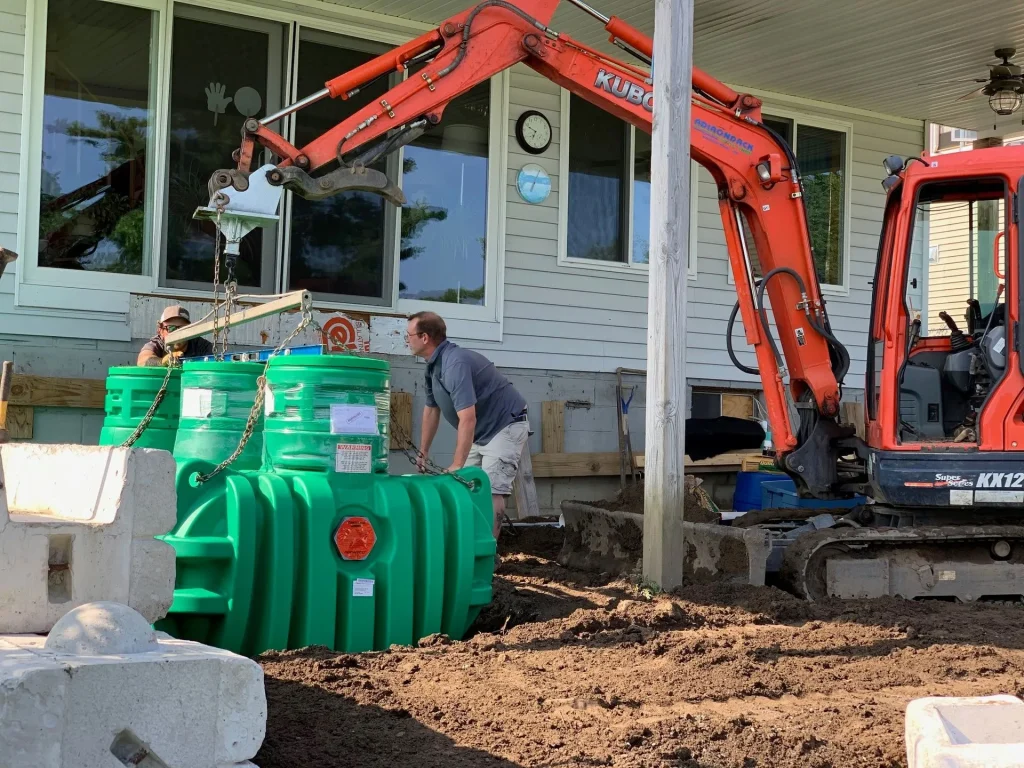
If your property uses a Norweco Singulair Green system, an inspection is not a formality. It is a practical look at whether the treatment unit is doing the quiet, unglamorous work it was designed to do every day. In Wantage, where weather, groundwater conditions, and rural property layouts can all influence septic performance, a good inspection tells you far more than whether the tank is simply “working.” It gives you a read on treatment quality, mechanical condition, maintenance needs, and whether a small issue is about to become an expensive one.
Homeowners are often surprised by how different this process feels from a standard gravity septic check. A Norweco Singulair Green unit is an aerobic treatment system. That means there are mechanical and electrical components involved, along with treatment chambers that need to be observed with some care. A proper inspection is not just a glance under a lid. It is part wastewater treatment evaluation, part equipment assessment, and part preventive maintenance.
For anyone searching for guidance on a norweco singulair green Wantage NJ inspection, the most useful thing is to know what the technician is actually looking at, what they can learn from what they see, and what findings usually matter versus what merely sounds alarming.
Why these inspections matter more than most homeowners realize
A conventional septic tank relies mostly on settling and passive movement. A Singulair Green system adds active treatment. That improved treatment is one of the reasons these systems are used on sites that need a higher level of performance, but the trade-off is straightforward: more treatment capability comes with more components that need regular attention.
When one part of an aerobic treatment unit falls behind, the system does not always fail dramatically at first. More often, performance slips gradually. Effluent quality can decline. Solids can move where they should not. Aeration may weaken. Alarms may not be interpreted correctly, or service intervals may stretch too long. By the time there is odor in the yard or a backup inside the home, the underlying issue has often been developing for months.
An inspection catches the quieter problems. A worn air delivery component, sludge buildup beyond the ideal range, signs of infiltration around risers, a float or alarm issue, or evidence that harsh cleaning chemicals are upsetting the biological process, these are the kinds of findings that matter because they are still manageable. Once untreated or poorly treated wastewater reaches parts of the system that were meant to receive cleaner effluent, repair costs tend to rise quickly.
What a Norweco Singulair Green system is doing behind the scenes
It helps to understand the basics before talking about inspection steps. The Singulair Green is designed to treat wastewater through a staged process that includes settling and aerobic biological treatment. In plain terms, the system supports bacteria that need oxygen to break down waste more effectively than an anaerobic tank alone. The result, when the unit is functioning properly, is cleaner effluent leaving the treatment process.
Because of that design, the technician is not only judging whether wastewater is moving through the tank. They are also assessing whether the biological environment is healthy and whether the mechanical side of the system is supporting that treatment. Aeration, sludge levels, flow patterns, and effluent clarity all matter.
On a rural Sussex County property, the treatment unit may be tucked away in a side yard or behind outbuildings, and many homeowners understandably do not think much about it between service visits. But these systems are active. They respond to how the home is used. A weekend house behaves differently from a full-time family home. A household with frequent guests, large laundry loads, or a finished basement apartment can stress the system in ways that a simple visual glance would never reveal.
What happens before the lids are opened
A competent inspection usually starts with questions. That alone can tell you a lot about the quality of the service call. The technician may ask whether alarms have sounded, whether you have noticed odor, whether plumbing has been slow, when the unit was last pumped, and whether household use has changed. A home that recently added occupants, started frequent remote work, or installed high-volume water fixtures can present a different treatment load than it did a year earlier.
In Wantage, seasonal occupancy can also matter. A property that sits empty for stretches may see different biological behavior than a full-time residence. Aerobic systems can recover well, but very light use followed by sudden heavy use can create patterns the inspector will want to interpret correctly. The same goes for properties after a major storm, snowmelt period, or long wet spell. Site conditions influence how wastewater systems perform, especially where soils are tight or groundwater is seasonally high.
The technician should also identify the system components, locate access points, and make sure conditions are safe for inspection. If lids are buried, obscured by landscaping, or difficult to access, that can add time and sometimes cost. If risers are in place and accessible, the process is simpler and more thorough.
The visual inspection of the tank and treatment chambers
Once the unit is opened, the inspection becomes much more revealing. A trained eye can learn a great deal from the appearance of the liquid, the scum and sludge levels, and the way the chambers are behaving under normal household flow.
The first thing many homeowners notice is that the technician is not looking for one dramatic defect. They are reading the whole system. Is the liquid level where it should be? Does the effluent look relatively clear for the stage being observed, or is there an unusual amount of suspended material? Are there odors stronger than expected? Is there evidence that solids are carrying over from one chamber to the next? Those details help distinguish normal wear from early failure.
With a Norweco Singulair Green system, the condition of the aeration or treatment area is especially important. Aerobic treatment depends on consistent oxygen transfer and a healthy microbial population. If the chamber shows signs of poor mixing, excessive solids accumulation, or weak aeration performance, the problem may not be urgent that day, but it should not be ignored.
Technicians often describe the contents in terms homeowners do not hear every day: sludge blanket, scum mat, mixed liquor, carryover, clarity. Those are not throwaway words. They point to how well the system is separating and treating waste. If the inspector sees a thicker than expected sludge layer, for example, that may suggest pumping is due or overdue. If solids appear in sections where they should be minimal, that can indicate a maintenance lapse or a process upset.
Mechanical and electrical checks are a central part of the visit
This is where a Singulair Green inspection clearly differs from a basic septic lookover. Because the system relies on active components, the technician should check the pieces that keep treatment moving. Depending on the specific installation, that may include the aerator or air delivery component, alarm function, electrical connections, controls, and any moving or serviceable parts associated with the unit.
The point is not to perform a full rebuild during an inspection. It is to confirm that the system can continue doing its job reliably between service intervals. If an alarm panel exists, the technician may test it or verify that it responds correctly. If air delivery seems weak, they may investigate whether a filter, compressor-related component, or associated part needs attention. Electrical issues are particularly important because a treatment system can lose performance long before a homeowner notices a symptom indoors.
In my experience, homeowners often focus on what they can smell or see, but many of the meaningful findings during a norweco singulair green Wantage NJ inspection are mechanical. A unit can look fairly normal at a glance while still operating below its intended treatment level because an active component is underperforming. That is why a quick peek is not enough.
Sludge and scum levels often drive the next recommendation
One of the most common outcomes of an inspection is a recommendation about pumping, and this is where nuance matters. There is no single pumping schedule that fits every aerobic treatment system or every household. Occupancy, water use habits, garbage disposal use, and prior maintenance all change the timeline. Two homes with the same tank can have very different solids accumulation.
A careful inspector will not just say “pump it because it has been a while.” They will look at actual conditions. If solids are approaching levels that threaten effective treatment or could allow carryover into downstream components, pumping is sensible. If levels are still manageable and the system otherwise looks healthy, they may recommend monitoring and a future interval instead of immediate service.
This distinction matters because unnecessary pumping is not ideal, but waiting too long is worse. A system that receives regular observation tends to last longer because decisions are made from condition, not guesswork.
What the inspector may find outside the tank
Not every issue is inside the treatment unit. Some of the most important clues are outside it. The area around the access lids, risers, and discharge components can reveal settlement, surface water intrusion, poor grading, or signs that runoff is collecting where it should not. In Wantage, freeze-thaw cycles and wet periods can expose weaknesses in lids, seals, and grade around the unit.
The discharge or final dispersal area may also be part of the conversation, depending on the property layout and what is accessible during the visit. If there are signs of sogginess, odor, surfacing effluent, or unusually lush isolated vegetation, the inspector will want to determine whether that points to a treatment problem, a dispersal issue, or simply temporary weather-related saturation. Good judgment matters here. A wet spring can make a perfectly serviceable area look suspicious for a short period, while a dry-season wet spot deserves more concern.
Common homeowner concerns during a Wantage NJ inspection
Most homeowners are thinking about three things while the inspection is underway: whether the system is failing, whether pumping is needed, and whether a repair is going to be expensive. Those are fair concerns, but many inspections end with smaller, more manageable recommendations.
A routine visit may uncover deferred maintenance rather than failure. An alarm issue might be electrical and relatively straightforward. Solids may be high enough to justify pumping but not high enough to indicate damage. A lid or riser seal may need attention because groundwater or surface water intrusion is affecting performance. These are worthwhile findings because they are the kinds of problems that become much more serious when left alone.
That said, some warning signs do merit a sharper response. If the technician sees clear evidence of significant solids carryover, prolonged lack of aeration, structural damage to components, or chronic hydraulic overloading, the next steps may involve repairs, pumping, and a closer review of the full system. At that point, timing matters. Delaying action rarely lowers cost.
What you can do before the appointment
A little preparation makes the inspection smoother and more useful. If you know where the access points are, clear them. If you have service records, keep them handy. If the unit has had alarms, backups, odor episodes, or prior repairs, mention them. The more specific you are, the easier it is for the technician to connect symptoms with what they see in the system.
It also helps to avoid creating an artificial picture of the system right before the visit. Homeowners sometimes postpone laundry for days, avoid using water, or flush the system heavily the morning of the appointment. Neither extreme helps much. Normal use gives the most accurate snapshot. If there has been an unusual event, such as several houseguests over a weekend or a recent power outage, mention that too.
Here are a few practical ways to prepare:
- Make sure the access area is reachable and not blocked by vehicles, planters, or heavy furniture.
- Gather any maintenance records, pump-out receipts, and notes about past alarms or service calls.
- Let the technician know about recent changes in occupancy or water use.
- Keep pets secured during the visit so the work can proceed safely.
- If you have noticed odors, wet spots, or slow drains, describe when and where they occur.
That short bit of preparation often saves time and improves the value of the inspection.
How long the inspection usually takes
The answer depends on access, site conditions, and what the technician finds. A straightforward inspection with easy access may be fairly efficient. If lids are buried, components are hard to reach, records are incomplete, or the system shows signs that need deeper evaluation, the visit can take longer.
What matters more than speed is thoroughness. Homeowners sometimes worry when an inspection seems to take longer than expected, but extra time often means the technician is checking function carefully rather than rushing to a generic recommendation. A complicated site in Wantage, especially one with older modifications, additions, or uncertain records, deserves that time.
How weather and local site conditions can affect the findings
Northern New Jersey weather is not background scenery when it comes to onsite wastewater systems. It changes the inspection context. After heavy rains or spring thaw, a technician may see evidence of water around risers or in surrounding soil that is relevant to performance. During a dry stretch, those same clues may be absent even if drainage patterns are still less than ideal.
This is why a good inspector avoids overpromising from one snapshot. If conditions point to a possible site drainage issue, they may frame it as a concern to monitor or recommend a follow-up under different conditions. That is not hedging. It is responsible judgment. Wastewater systems live in the real world, and the real world is variable.
For owners of a norweco singulair green Wantage NJ system, this local context matters. Properties in the area can range from relatively open, gently sloped sites to more constrained lots with drainage challenges. One system may stay dry and easy to service year-round. Another may be heavily influenced by runoff, snowmelt, or how nearby grading was changed over time.
What inspection results typically sound like
At the end of the visit, the best technicians do not just hand you a verdict. They explain what they saw and why it matters. You may hear that the system is operating normally and should continue on its current maintenance schedule. You may hear that pumping is advisable in the near term based on solids levels. You may hear that a mechanical component should be serviced before the next inspection cycle. If there is concern, the explanation should connect directly to observations.
The most useful reports are plainspoken. They avoid drama but do not soften real issues. “Monitor this,” “service this soon,” and “repair this now” are very different categories, and a good inspector separates them clearly.
If you do need follow-up work, ask a few norweco singulair green Wantage NJ practical questions. Is the issue affecting treatment quality now, or is it preventive? What is the likely consequence of waiting a month norweco singulair green Wantage NJ versus six months? Is this a routine service item, or could it suggest broader system stress? Those questions tend to produce far more helpful answers than simply asking whether the system is “bad.”
A few warning signs you should not ignore between inspections
Inspections are important, but the months between them matter too. If you notice changes, trust them enough to make a call. Homeowners usually have a good sense when something has shifted.
Pay attention to signs such as:
- A septic or musty odor near the unit or dispersal area.
- Slow drains throughout the house, especially if the problem is widespread.
- Alarm activity, even if it stops on its own.
- Wet or unusually green patches near the system during otherwise dry weather.
- Gurgling plumbing or backups at the lowest fixtures in the house.
None of these signs proves a major failure on its own, but each is worth checking before it becomes harder to correct.
The real value of regular inspections
The easiest way to think about a Norweco Singulair Green inspection is this: you are not paying for someone to tell you whether sewage is present in a tank. You are paying for an informed assessment of treatment performance, equipment condition, and maintenance timing. That is a more useful service, and on the right schedule it usually saves money.
Most expensive septic problems do not begin as dramatic emergencies. They begin as ordinary maintenance decisions that were postponed because nothing seemed urgent at the time. A system like the Singulair Green rewards attention. It is built to deliver a higher level of treatment, but it depends on consistent care and informed service.
For homeowners in Wantage, that means working with someone who understands both the treatment unit and the realities of local properties. The best inspections combine technical knowledge with common sense. They account for weather, occupancy, maintenance history, and what the system is actually showing that day. When that happens, the visit feels less like a mystery and more like a useful checkpoint, which is exactly what it should be.
Excavating New Jersey LLC
406 County Rd 565
Wantage, NJ 07461, United States
Phone: +1 (973) 791-4284
FAQ About norweco singulair green Wantage NJ
How does a Norweco septic system work?
Singulair Green uses aerobic biological treatment in a polyethylene tank, followed by settling and filtration. The treatment unit is one part of a complete wastewater system; the site design also determines how treated effluent is dispersed.
How much does a Norweco septic system cost in NJ?
A useful estimate requires a property evaluation. Excavation access, soil conditions, engineering, electrical work, the disposal field, and restoration can affect the total. Ask Excavating New Jersey LLC for a written scope that distinguishes installation costs from ongoing service costs.
Are Norweco septic systems good?
Singulair Green is an established aerobic treatment option, but suitability depends on the property and proposed design. Compare the model's documented performance, maintenance needs, and total project scope with alternatives before deciding.