Norweco Singulair Green Wantage NJ: Expert Advice for Homeowners
If you own a home in Wantage and your property uses a Norweco Singulair Green system, you already know you are not dealing with a basic septic tank. That is both the good news and the part that catches some homeowners off guard. A Singulair Green unit can offer excellent treatment performance when it is installed correctly, serviced on schedule, and protected from the kinds of day to day misuse that shorten the life of any advanced wastewater system. It is also less forgiving than a simple gravity system when maintenance gets skipped.
That distinction matters in Sussex County, where a lot of homes sit on rural lots, many rely on onsite wastewater treatment, and weather conditions can swing from summer downpours to deep winter freezes. In places like Wantage, the septic conversation is never just about what happens underground. It is about soil, drainage, power reliability, occupancy patterns, and whether the homeowner understands what the system is trying to do.
I have seen two neighboring properties with nearly identical systems have completely different outcomes. One owner treats the system like a small mechanical plant, keeps records, calls for service before a minor issue grows, and gets years of dependable operation. The other assumes "septic is septic," ignores warning signs, and ends up facing expensive repairs that often started with something as small as a clogged air intake or overdue sludge pumping.
What makes the Singulair Green different
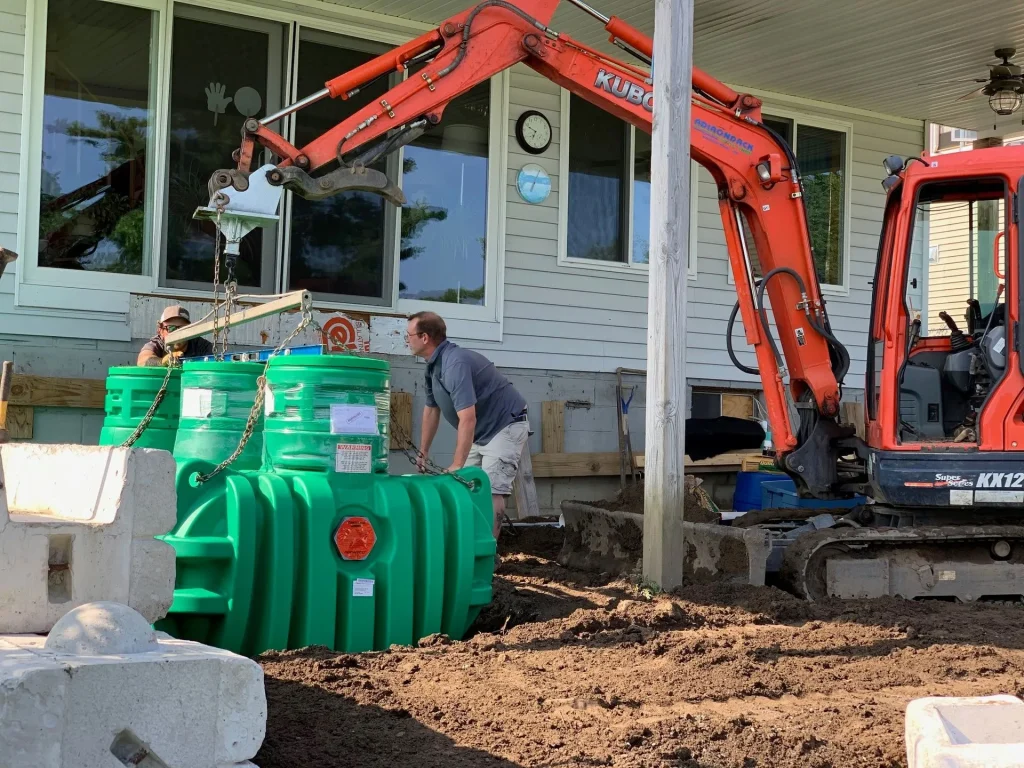
A Norweco Singulair Green system is an aerobic treatment unit. Instead of relying only on settling and anaerobic digestion the way a conventional septic tank does, it introduces oxygen and uses mechanical components to improve treatment quality. That generally means cleaner effluent, which can be important on lots with site limitations or where local approvals called excavatingnj.com norweco singulair green Wantage NJ for a higher treatment standard.
For homeowners, the practical difference is simple. A standard septic tank is mostly passive. A Singulair Green is active. It contains equipment, often has an aeration process, and depends on routine inspection to stay in spec. That does not make it fragile, but it does mean your habits matter more.
The homeowners who do best with these systems understand three basic truths. First, clear water coming out of a fixture does not mean the treatment unit is happy. Second, mechanical parts age even when the plumbing seems normal. Third, performance drops gradually in many cases, so the person living in the house may not notice trouble until the issue has spread to alarms, odors, backups, or a stressed disposal field.
When people search for information on norweco singulair green Wantage NJ, they are often trying to answer one of two questions. Either they are buying a home and want to know what they are inheriting, or they already own one and suspect something is off. The advice for both groups starts in the same place, learn your exact system configuration and service history.
Why Wantage homes need a more careful approach
Wantage is not a one size fits all environment for onsite treatment. Lot size, grading, depth to seasonal high water table, and age of the home all shape how a system performs. Some homes are occupied year round by large families. Others may see irregular use, with vacant stretches followed by full weekends. Advanced treatment units can handle both, but they respond best when loading is not wildly abusive.
Cold weather is another factor that gets underestimated. The biological process in an aerobic unit keeps working in winter, but freezing conditions can affect exposed or shallow components, venting, and ancillary lines if the system was poorly installed or if insulation and cover are compromised. Snow itself is not the enemy. In fact, undisturbed snow can help insulate the ground. The bigger problems usually come from surface traffic, removed cover, or drainage patterns that send cold runoff where it does not belong.
Then there is power. Advanced treatment units rely on electricity. A long outage may not destroy the system, but repeated outages, neglected restart checks, or control issues after storms can interfere with treatment. In rural parts of New Jersey where outages sometimes last longer than people in denser suburbs expect, that reality should be built into your maintenance mindset.
The first thing a homeowner should verify
Before worrying about performance, verify what you actually have. I am surprised how many homeowners know the brand name but not the model, age, permit history, or maintenance schedule. If you recently bought the property, try to gather the original installation paperwork, local approvals if available, recent inspection reports, pumping records, and any service notes.
A technician who works regularly on Norweco equipment can learn a lot from the condition of the unit itself, but paperwork fills in the gaps. It can tell you whether the system was sized for the current bedroom count, whether repairs have already been made, whether an alarm issue is recurring, and whether the discharge or dispersal component has a history of trouble.
That last point matters because homeowners often blame the treatment unit for symptoms that actually come from the downstream side. A unit may be processing wastewater well while the soil absorption area, discharge line, or pump chamber has its own problem. Good diagnosis separates those pieces.
What routine service should look like
A Norweco Singulair Green unit should not be treated like a tank you forget for five years. Service intervals vary with local rules, household size, and system design, but advanced treatment units commonly need periodic professional inspection at least once or more per year, and in some areas maintenance agreements are expected or required. If you are not sure what applies on your property, ask your local health department or a licensed septic professional familiar with Sussex County practices.
During a proper service visit, the technician is not just peeking under a lid and leaving. A meaningful inspection usually includes checking the mechanical and electrical components, observing aeration and flow patterns, evaluating sludge and scum accumulation, confirming alarms and controls are functioning, and looking for evidence of infiltration, root intrusion, or hydraulic overload. On some systems, effluent quality observations or additional checks may be part of the visit.
A good service provider also pays attention to how the house is being used. A family of five with teenagers, frequent laundry, and a finished basement apartment places a very different load on a system than a retired couple. The equipment can often handle either scenario if it was designed and maintained properly, but service advice should reflect actual use, not a generic manual.
Small warning signs that deserve fast action
Homeowners often wait for a dramatic failure. That is the expensive approach. Advanced systems usually give hints first.
Here are the signs that should move you from "keep an eye on it" to "schedule service now":
- A septic alarm, even if it stops on its own
- New odors near the unit, tank lids, or discharge area
- Toilets or drains that begin acting sluggish across the house
- Unusually wet or lush areas where effluent should be dispersing normally
- A sudden jump in pump outs, service calls, or nuisance resets
That list is short on purpose. A longer list can blur judgment. If one of those symptoms appears, get the system checked. Waiting a month to "see if it settles down" can turn a small repair into damage affecting multiple components.
I once looked at a property where the owner had ignored a recurring alarm because everything inside the house still drained. By the norweco singulair green Wantage NJ time service was called, the issue had progressed from a relatively modest control or aeration problem into a broader treatment and dispersal concern. The frustrating part was that the first alarm had probably offered a cheap off ramp.
The pumping question homeowners often get wrong
Because a Singulair Green is an advanced treatment unit, some homeowners assume it hardly ever needs pumping. Others overcorrect and pump too often without understanding whether that addresses the actual issue. The right answer depends on use, solids accumulation, and the tank design, but no aerobic unit is exempt from sludge management.
Pumping intervals can vary significantly. Some households may need service on a schedule closer to every couple of years, while light use homes may go longer. The only honest recommendation is to pair routine inspection with sludge measurement and decide based on actual conditions, not guesswork.
There is also a practical mistake I see regularly. Homeowners call for pumping because there is an odor or a slow drain, then assume the pumper has solved the problem. Pumping may be necessary, but it does not replace diagnosis of a failed aerator, a stuck float, a blocked effluent path, or a stressed disposal area. It is one maintenance task, not a universal cure.
What not to send into the system
The biology inside any onsite treatment system works best when you avoid poisoning it and avoid overloading it with solids that should never have gone down the drain in the first place. With a Norweco unit, that advice becomes even more important because the treatment process is more engineered and performance expectations are higher.
A short household rule set prevents most self inflicted problems:
- Flush only human waste and toilet paper
- Keep grease, wipes, hygiene products, and cat litter out of drains
- Go easy on harsh disinfectants, solvents, and paint related waste
- Spread laundry across the week instead of stacking many loads in one day
- Fix leaks quickly, especially running toilets
Each item sounds basic, yet repeated abuse in these categories is behind a huge share of premature service calls. Running toilets are especially underrated as a septic problem. A toilet that leaks silently can send hundreds of gallons per day into the system. That kind of steady hydraulic overload can wear out a treatment unit and swamp the dispersal side even when no one is doing anything else wrong.
Landscaping and site use around the unit
The area around the treatment system should stay accessible, protected, and boring. Boring is good. You do not want heavy vehicles, deep rooted trees, aggressive grading, or a decorative project that hides lids and access points. Every season I see at least one property where a homeowner improved the yard and made the system harder to service, not easier.
Grass is usually the safest cover over septic components and dispersal areas. Shrubs can be risky if roots seek moisture. Stone hardscapes, sheds, patios, and vehicle traffic are common mistakes. They may not cause failure overnight, but they raise the cost of every future inspection and repair and can interfere with system function.
Surface water management is just as important. Roof leaders, sump discharges, driveway runoff, and grading changes should send clean water away from the septic area, not toward it. Advanced treatment does not solve a site drainage problem. If your yard consistently channels stormwater over the disposal area, the biology inside the treatment unit is not the main issue.
Winter realities in Sussex County
People worry about frozen septic systems in winter, and the fear is understandable. What usually protects a system is consistent use, intact cover, and insulation from snow and soil. What creates trouble is intermittent use combined with shallow piping, compacted snow from traffic, and exposed components.
If a home is vacant for stretches during cold weather, ask your service provider what precautions make sense for your exact setup. The answer may differ between a year round residence with daily flow and a property that sits empty for long periods. I would be cautious about any universal advice here because the wrong shortcut can create more trouble than it solves.
If an alarm appears after a severe cold snap, resist the urge to panic and start opening covers yourself unless you know what you are doing. Advanced units include electrical and mechanical components, and unnecessary fiddling in freezing weather often leads to damaged lids, compromised seals, or safety risks.
Buying a home with a Norweco system in Wantage
For buyers, the right time to learn about the system is before closing, not after the moving truck arrives. A standard home inspection is not enough. You want a septic professional with direct experience in advanced treatment units. Ask for documentation of service history, recent pumping if applicable, alarm records, and any local operating requirements.
A seller saying "it works fine" is not useful evidence. Many systems appear to work fine until they are measured, opened, and tested by someone who knows what normal operation looks like. A proper inspection is modest money compared with the cost of inheriting neglected equipment or a compromised disposal field.
There is also a budgeting issue that buyers should face honestly. Homes with advanced septic systems can be excellent homes to own, but they come with a maintenance profile closer to owning a well pump, boiler, or generator than a passive tank. If you want a house with rural privacy and no municipal sewer, that tradeoff is part of the package.
Repair versus replacement
When homeowners hear that a Singulair Green system has a problem, many immediately fear full replacement. That is not always the case. A number of issues involve components that can be serviced or replaced without rebuilding the entire system. Controls, floats, aeration related parts, pumps in some configurations, and certain internal components may be repairable depending on age and condition.
The harder conversations happen when neglect has been long term or when the downstream dispersal area is failing. At that point, the decision is no longer only about the treatment unit. It becomes a site and permitting problem as well. That is where costs can rise sharply, especially if access is difficult or site limitations are significant.
For realistic planning, homeowners in New Jersey should understand that repairs can range from relatively manageable service work into several thousand dollars, while major septic rehabilitation or full replacement can go much higher. The wide range is not a dodge. It reflects real variation in site conditions, equipment, and local requirements. Anyone who gives you a single universal number without seeing the property is guessing.
Choosing the right service company
Not every septic company has the same depth of experience with advanced treatment systems. Some are excellent at pumping conventional tanks but less comfortable diagnosing control logic, aeration performance, or manufacturer specific components. When searching for help with norweco singulair green Wantage NJ, look for a provider who routinely works on aerobic treatment units and can explain what they are seeing in practical terms.
A capable technician should be able to tell you not just what is wrong, but why it happened, how urgent it is, and whether it is likely to recur if the underlying cause is not fixed. That explanation matters. Homeowners need more than a receipt and a reset button.
It is also worth keeping records. Save service dates, notes, pumping invoices, alarm events, and repair details. Good records help the next technician spot patterns and help you make a better case if a recurring issue needs a broader solution.
A sensible ownership mindset
The owners who have the fewest bad surprises usually take a balanced approach. They do not obsess over the system every week, and they do not ignore it for years. They learn where the components are, keep lids accessible, use water with some restraint, and schedule maintenance before there is a crisis.
That approach pays off in three ways. It protects treatment performance. It lowers the chance of a messy emergency. It also preserves property value. In a market where buyers are often nervous about advanced septic systems, a home with documented care and a calm, informed owner is much easier to sell than one with vague stories and missing records.
For a Wantage homeowner, that is really the bottom line. A Norweco Singulair Green system is not something to fear, but it is something to respect. Treated as a piece of working infrastructure, it can serve a home well. Treated as an invisible box in the yard that never needs attention, it tends to remind people, sooner or later, that wastewater systems always collect their due.
Excavating New Jersey LLC
406 County Rd 565
Wantage, NJ 07461, United States
Phone: +1 (973) 791-4284
FAQ About norweco singulair green Wantage NJ
How does a Norweco septic system work?
Singulair Green uses aerobic biological treatment in a polyethylene tank, followed by settling and filtration. The treatment unit is one part of a complete wastewater system; the site design also determines how treated effluent is dispersed.
How much does a Norweco septic system cost in NJ?
A useful estimate requires a property evaluation. Excavation access, soil conditions, engineering, electrical work, the disposal field, and restoration can affect the total. Ask Excavating New Jersey LLC for a written scope that distinguishes installation costs from ongoing service costs.
Are Norweco septic systems good?
Singulair Green is an established aerobic treatment option, but suitability depends on the property and proposed design. Compare the model's documented performance, maintenance needs, and total project scope with alternatives before deciding.